
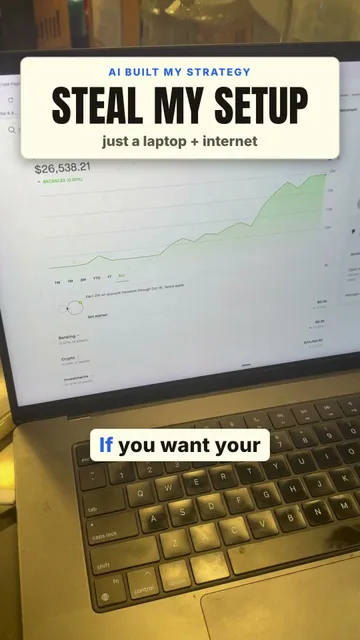
 0:35Transcript
Copy My Exact AI Trading Setup (Just a Laptop and Internet)
The exact AI trading setup behind my $26K Robinhood account: NexusTrade MCP + an agentic coding tool + my Public Portfolio Challenge repo. Just a laptop and internet.
NEXUSTRADE / VIDEOS
Shorts I filmed while building NexusTrade.
Every video has a transcript.
169 shorts · every one transcribed
0:35Transcript
The exact AI trading setup behind my $26K Robinhood account: NexusTrade MCP + an agentic coding tool + my Public Portfolio Challenge repo. Just a laptop and internet.
 2:50Transcript
Watch Austin demonstrate NexusTrade, Aurora, and his public portfolio challenges. Claim three months free with the October offer.
 0:10Transcript
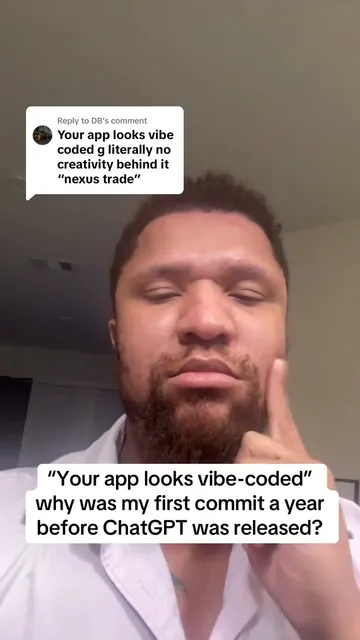
Austin Starks: If this was vibe-coded before AI existed, that’s even more impressive than me sitting down and writing the code
 2:05Transcript
In the original camera recording, Austin discusses how AI changes the scope of projects a solo software engineer can attempt, including options backtesting
 2:50Transcript
Watch Austin demonstrate NexusTrade, Aurora, and his public portfolio challenges. Claim three months free with the October offer.
 2:18Transcript
How NexusTrade turns millions of headlines into company-specific sentiment: Qwen, DeBERTa, validation and archive-scoring costs.
 1:37Transcript
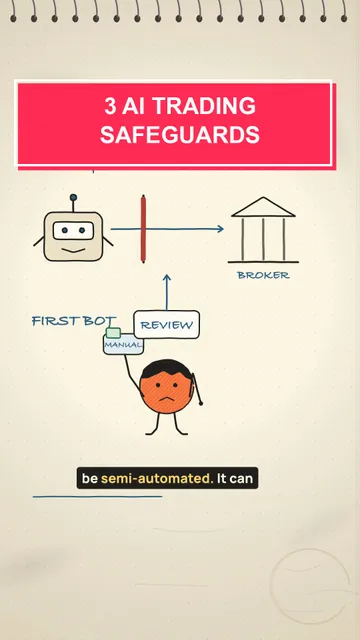
Watch three AI trading safeguards in action: manual approval, an event trail that explains a buy/sell loop, and a daily allowance for automatic trade actions.
 2:25Transcript
How I approach negotiating a software engineering job offer: interview preparation, competing offers, expressing enthusiasm and asking for a higher compensation package. I walk through the conversation and the response.
 4:57Transcript
I walk through an AI coding interview: inspect an unfamiliar repository, explain its architecture, plan a bug fix or feature, write the failing test first, and verify the result. Explain what the tool changed and how you know it works.
 3:46Transcript
Use your résumé and job preferences to research suitable software engineering roles with Codex. Build a list of companies, work through applications, and write company-specific answers together.
 5:23Transcript
Build a software engineering résumé with clear experience, measurable impact and two independent AI reviews. Apply the same process to LinkedIn and GitHub.
 2:52Transcript
Build experience for your first software engineering role through substantial projects, open-source contributions, research work, hackathons and internships. Learn to explain your contribution on your résumé.
 2:50Transcript
Austin shares his software engineering job-search experience and introduces a practical course on experience, résumés, applications, interviews and negotiation.
 3:18Transcript
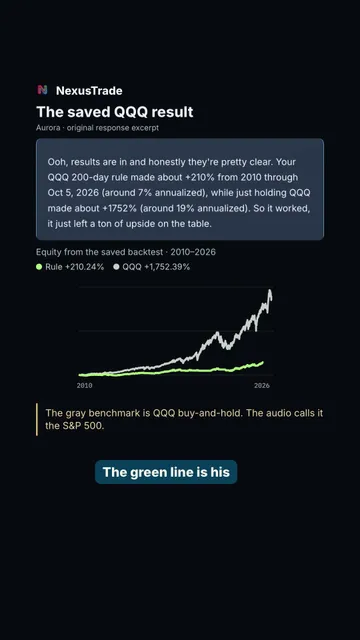
Three viral AI trading rules tested against buy-and-hold, with original NexusTrade backtest receipts, fees, benchmarks and implementation limits.
 1:30Transcript
Use NexusTrade to research a falling stock, check sources and compare the evidence for selling, holding or adding.
 2:48Transcript
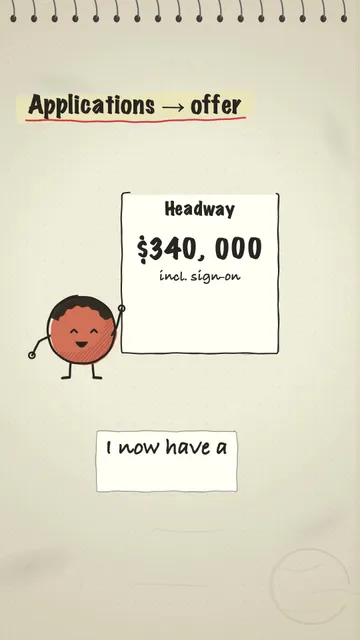
How I used AI to improve my resume, find matching software engineering roles, and apply, leading to a $340K Headway offer that includes a $20K sign-on bonus.
 1:42Transcript
Behind the build
Austin Starks explains how his experience seeking mental health support at Cornell shaped his decision to join Headway as a software engineer. He discusses…
 0:14Transcript
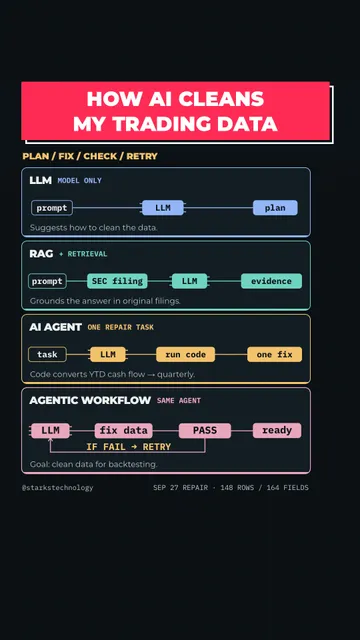
See how an LLM, SEC filing retrieval and repair code work together to clean trading data, check results and retry in an agentic workflow before backtesting.
 2:54Transcript
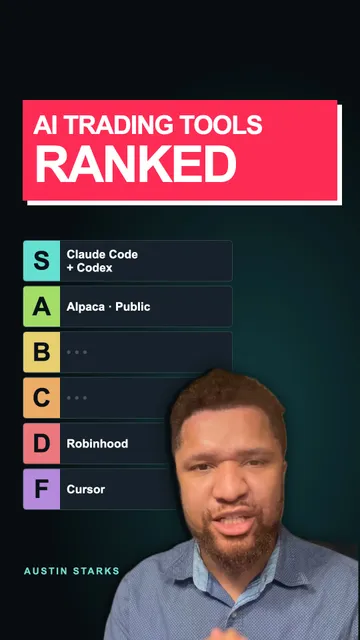
An AI trading tools tier list covering Alpaca, Public, Cursor, Claude Code, Codex, Robinhood, and NexusTrade, with real SDK and MCP examples.
 2:43Transcript
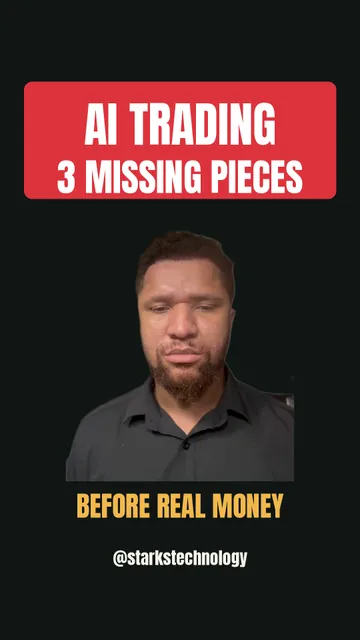
Three checks for AI trading bots: realistic simulation, financial research, and decision trails, with real NexusTrade screens and a paper-bot event.
 1:26Transcript
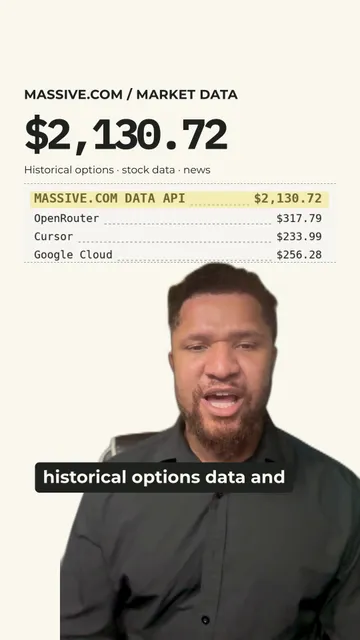
My September AI startup costs: a $5,756 credit-card bill for market data, AI providers and daily life, before rent, mortgage and other major monthly bills.
 1:04Transcript
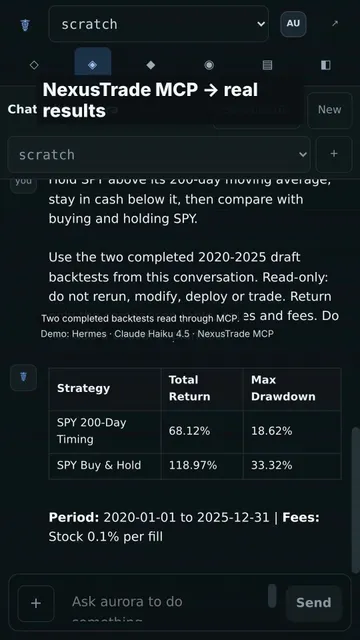
Connect Claude to NexusTrade with MCP and compare an SPY 200-day moving-average backtest with buy-and-hold, including returns, drawdown and strategy rules.
 1:01Transcript
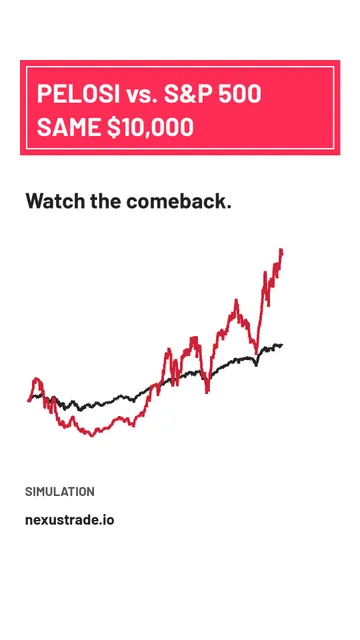
A five-year animated race between a Pelosi-inspired strategy simulation and SPY with the same $10,000 starting capital, using public disclosures, stocks and modeled options.
 1:22Transcript
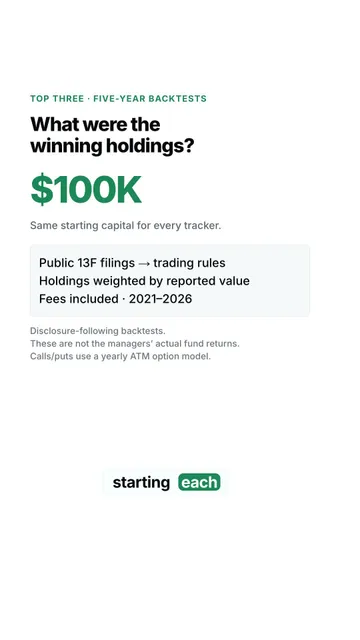
Explore Carvana, Bloom Energy, Alumis and other holdings behind the top three public-filing backtests on NexusTrade.