Republicans in the House who beat SPY, ranked
Signed percentage-point difference over each member’s own recorded window. These are simulated copy portfolios, not the member’s actual account returns. Different windows are not a matched-period experiment.
See the complete republicans in the house who beat spy, ranked
Scroll sideways to compare all columns. Select a heading to sort.
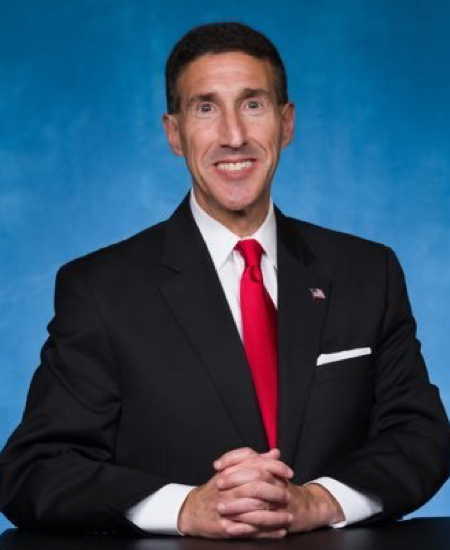
| 1 | David Kustoff (R-TN, House) | +110.9% | +88.8% | +22.1% | 0.72 | -42.6% | 10 |
| 2 | Dan Crenshaw (R-TX, House) | +105.9% | +88.8% | +17.1% | 0.72 | -34.3% | 15 |
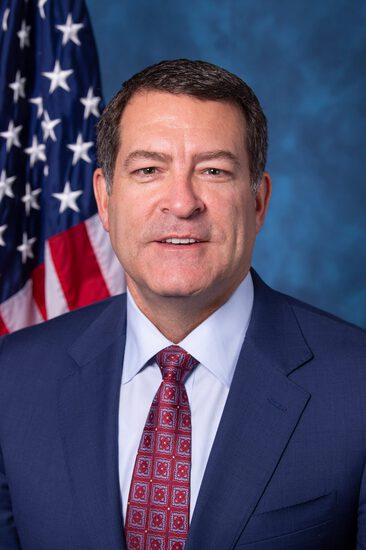
| 3 | Mark E. Green (R-TN, House, former) | +99.2% | +88.8% | +10.4% | 0.56 | -42.8% | 46 |
| 4 | Pete Sessions (R-TX, House) | +93.1% | +88.8% | +4.3% | 0.88 | -22.8% | 31 |
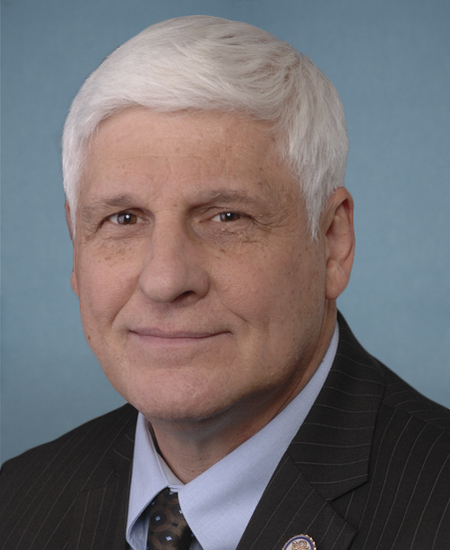
| 5 | Bob Gibbs (R-OH, House, former) | +92.9% | +88.8% | +4.1% | 0.86 | -25.4% | 14 |
No matching rows. Clear the filter to see all records.
Returns run from 2021-10-14 to 2026-10-15 unless another start or end date is shown. Purchases count disclosed purchases with a ticker that became public inside the backtest window. Members need at least 10 of them and 3 years of filings to be ranked. "Former" marks members no longer in office.
Check one ranked member
Republicans in the House who beat SPY, ranked
David Kustoff: source evidence dated 2026-10-15.
- Rank
- 1
- Member
- David Kustoff (R-TN, House)
- Copy-bot return
- +110.9%
- SPY, same window
- +88.8%
- Return over SPY
- +22.1%
- Sharpe
- 0.72
- Max drawdown
- -42.6%
- Purchases in window
- 10
The displayed owner or issuer and source fields identify the receipt to verify; keep reporting and availability dates separate.
Did copying this member beat SPY over the same sessions?
Read the return over SPY, not the raw return. Each copy buys on the first trading session after a filing became public, and windows can differ between members.
House Clerk financial disclosure reportsOpen the member's profile to read the filings behind the copy bot and its full equity curve.
See David Kustoff's trades and copy bot
Open the member's profile to read the filings behind the copy bot and its full equity curve.
See David Kustoff's trades and copy botKeep reporting dates and units beside the answer, and inspect its original citations.
Top 5


How this ranking works
Each member is measured by a simulated $100,000 portfolio that buys each disclosed stock purchase and at-the-money calls on the underlyings of disclosed option purchases, on the first trading session after the filing became public. The portfolio rebalances when a new stock or option disclosure from the member becomes public and once each trading week, and it pays fees. The benchmark buys SPY with the same dollars on the same days.
The public filing date is the signal clock. A trade counts from the first day a reader could see the filing, so the delay between a trade and its disclosure is part of the result.
Questions
Which Republican House member has the best stock trading record?
David Kustoff (R-TN, House) does. Copying their 10 disclosed purchases from the 5-year window from the day each filing became public returned +110.9% from Oct 14, 2021 to Oct 15, 2026, against +88.8% for SPY over the same sessions.
How many Republicans in the House beat the S&P 500?
5 of the 32 ranked Republicans in the House did. A member is ranked once they have at least 10 disclosed purchases and 3 years of filings.
Are these the members' actual returns?
They are the returns of a simulated $100,000 portfolio that buys each disclosed stock purchase and at-the-money calls on the underlyings of disclosed option purchases, on the first trading session after the filing became public, with weekly maintenance and fees. Disclosures report amount ranges and can arrive up to 45 days after the trade, so this measures what a follower could have earned.
How often is this ranking updated?
Each member's backtest refreshes as new periodic transaction reports are filed. The backtests on this page were last refreshed on Oct 15, 2026.