TL;DR
I rebuilt a 3:52 video with HeyGen's Avatar 6 and my professional voice clone. The whole session used 56 plan credits, about $1.37 at my Pro plan's rate of $49 for 2,000 credits. The narration took 47 of those credits.
My avatar is on screen only for the first and last 2.5 seconds, and HTML animations carry the middle. At the rate I measured, putting the avatar on screen for all 3:52 would cost about 150 credits ($3.66).
- Whole session
- 56 credits, $1.37
- Voice clone narration, 3:52
- 47 credits, $1.15
- Avatar 6 render, 6.2 s
- 4 credits, $0.10
Watch the video
Where the 56 credits went
Each value is the drop in my plan balance across that one call.
Show the table · 5 rows, 5 columns
Scroll sideways to compare all columns. Select a heading to sort.
| Start | 2,000 | |||
| Register photo look | One photo | 1,999 | 1 | $0.02 |
| Avatar 6 render | 6.2 s of my recorded voice | 1,995 | 4 | $0.10 |
| Voice clone narration | 759-word script | 1,948 | 47 | $1.15 |
| Avatar 6 render | 6.2 s of the cloned voice | 1,944 | 4 | $0.10 |
No matching rows. Clear the filter to see all records.
Dollars are credits times $49 / 2,000, about $0.0245 a credit.
I built the video twice. The first pass used my recorded voice, and the second used the voice clone, which is the version I was testing. The voice-clone version alone cost 51 credits ($1.25).
What the 56 credits bought
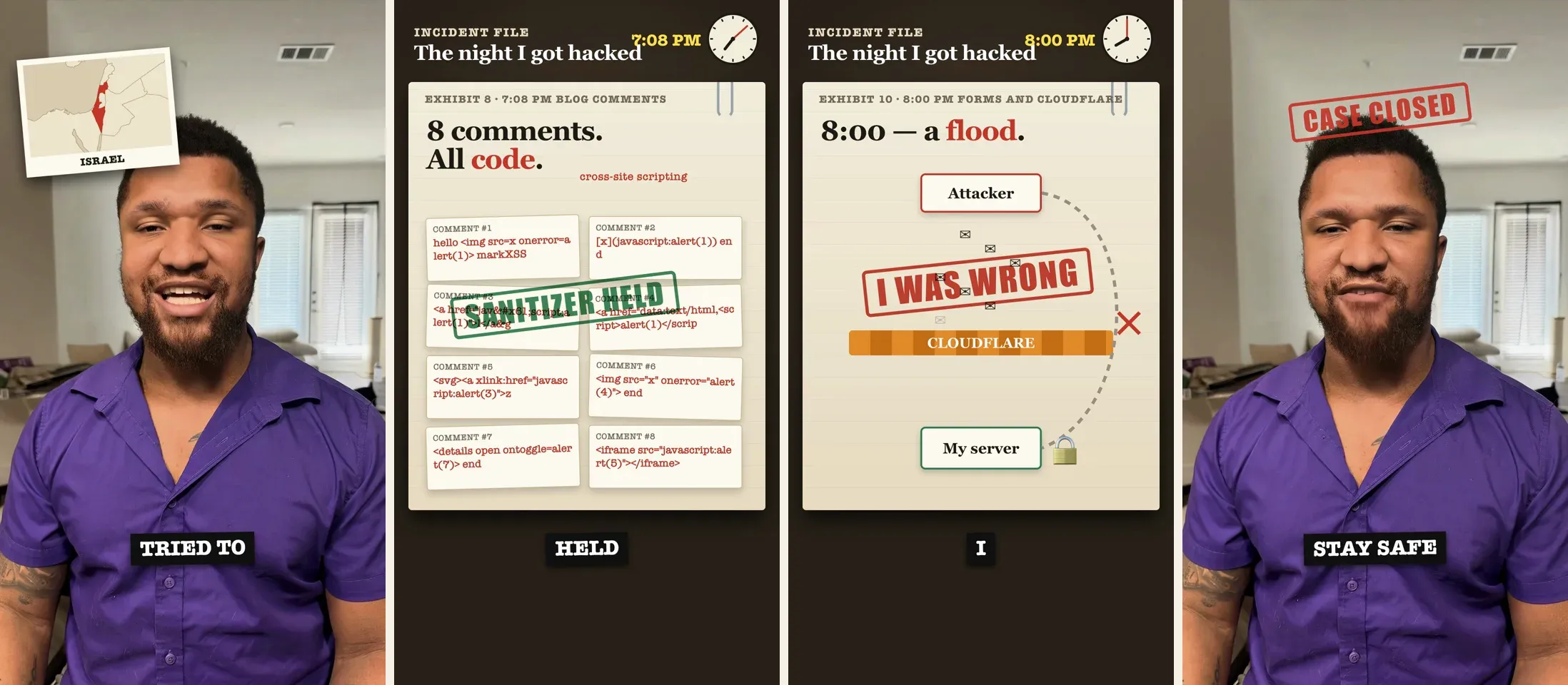
HeyGen made two things for this video: the narration and the 2.5-second avatar bookends. The paper case-file animations are HTML, CSS and JavaScript that I rendered on my own Mac, so they cost no credits.
How I made it, step by step
Turn one photo into an avatar look
Upload a portrait photo and register it as a photo avatar in the same group as your digital twin. Rotate it upright first: phone photos often store rotation as a flag.
HeyGen returns a new look ID. Registering it cost 1 credit.
{
 "tool": "create_photo_avatar",
 "name": "Austin - purple shirt IMG_1296",
 "file": {
  "type": "asset_id",
  "asset_id": "<uploaded photo>"
 },
 "avatarGroupId": "<twin's group>"
}Generate the narration with the voice clone
Send the whole script in one call with your professional clone's voice ID, a fixed seed and word timestamps on.
HeyGen returns a 231.8-second WAV with 771 timed words. Mine cost 47 credits.
{
 "tool": "create_speech",
 "voiceId": "<professional clone>",
 "seed": 3,
 "withTimestamps": true,
 "language": "en",
 "text": "Someone from Israel tried to hack my trading platform. ..."
}Pick the seconds where the avatar is on screen
Cut those spans out of the narration and join them into one short WAV, with 0.6 s of silence between, so one render covers every on-camera moment.
You end up with one 6.2-second WAV that holds the first 2.5 s, a gap, the last 2.5 s and another gap.
Render the avatar on Avatar 6
Render the look against that short WAV with engine heygen-avatar-6, the twin as motion reference, 9:16 at 1080p.
HeyGen returns a 6.2-second clip, which I sliced back into the two bookends. It cost 4 credits.
{
 "tool": "create_video_from_avatar",
 "avatarId": "<look>",
 "audioAssetId": "<6.2 s WAV>",
 "engine": {
  "type": "heygen-avatar-6",
  "reference_look_id": "<twin>"
 },
 "aspectRatio": "9:16",
 "resolution": "1080p"
}Time the animations to the narration
Map every scene and stamp to a word from the narration's timestamps.
736 of 753 words matched exactly; the rest were splits such as "6:12 PM" read as three words.
Render the composition locally
Render the HTML with the narration and the two avatar clips as one 1080x1920 MP4.
The result is a 3:52 MP4, and this step uses no HeyGen credits.
Avatar 6 costs about three times as much per minute as the voice
One render of each. Dollars use $49 for 2,000 plan credits.
Avatar 6 used 4 credits for 6.2 seconds, about 39 credits a minute. The voice clone used 47 credits for 3:52 of audio, about 12 credits a minute.
That is why I kept the avatar to the bookends. Avatar 6 for the full 3:52 would cost about 150 credits, against the 4 the bookends used. Both rates come from a single render, so treat them as estimates.
The monthly costs behind the credits
Credits are prepaid. Until I run past 2,000 in a month, this video added nothing to my bill. It used 2.8% of the month's allowance.
Show the table · 3 rows, 3 columns
Scroll sideways to compare all columns. Select a heading to sort.
| HeyGen Pro plan | $49 a month | The 2,000 premium credits my account showed this cycle, spent by the HeyGen app and its MCP tools |
| Professional voice clone slot | $29 a month | Keeps the trained voice clone available |
| API wallet | Prepaid, separate | REST API calls only. Mine held $0.10 and paid for nothing here. |
No matching rows. Clear the filter to see all records.
Four things that tripped me up
Two balances
The API wallet and the plan credits are separate. My wallet had $0.10, so every call went through HeyGen's MCP tools, which spend plan credits.
A retired balance endpoint
GET /v2/user/remaining_quota now returns HTTP 410. GET /v3/users/me reports the wallet and the plan credits.
The clone is louder and faster
The cloned read ran 231.8 s against my 269.9 s recording and measured -15.3 LUFS against -24.4. I turned it down so the final video matched my original at -22.3 LUFS.
Listen to the names
A transcription of the cloned read heard "Claude" as "cloud" and "vibe coder" as "biocoder". Only listening tells you whether the voice or the transcriber slipped.
What this measures
One build
This is one script, one voice seed and two 6.2-second avatar renders. I did not measure Avatar 6 Turbo.
My plan's rate
Dollars assume 2,000 credits are what $49 buys in a month. Another plan changes the dollar figures; the credit counts stay as measured.
No comments yet.