They Called Me Crazy for Holding NVIDIA. Now I’m at All-Time Highs.
Why I’m still holding NVIDIA calls when my account is at all time highs

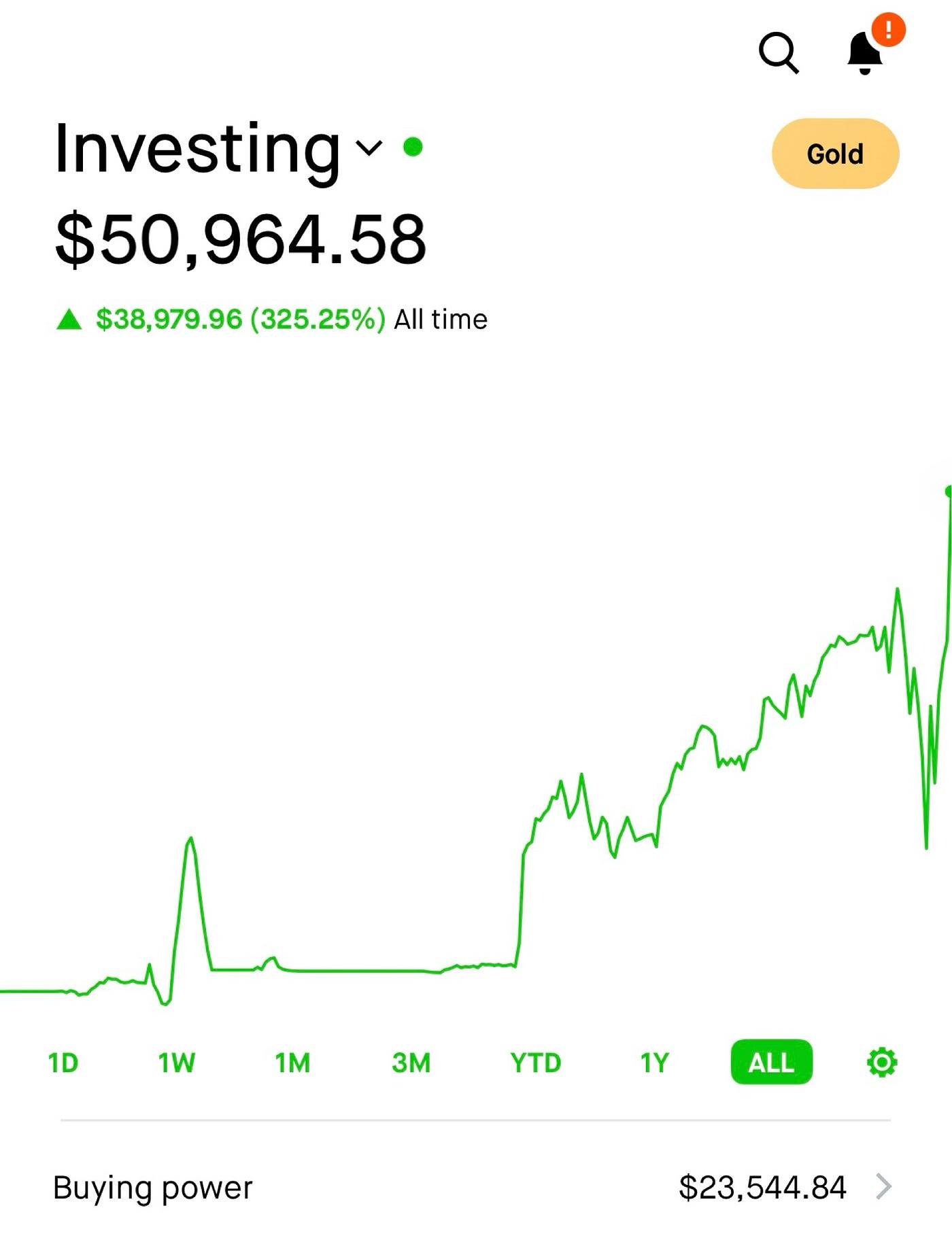
One month ago, I did something that the vast majority of other “Trading Influencers” NEVER do.
I was honest and transparent.
I shared my losses with holding NVIDIA. More than that, I shared my trading strategy, why I believed in NVIDIA’s future, and why I chose to double down.
But now, the tides of the market have shifted. My account has increased by $27,792, an increase of over 120%. My final account balance (which shifts dramatically throughout the day) is standing tall at nearly $51,000.
Here’s an update with my NVIDIA position and why I’m going to keep holding.
Recap: Why NVIDIA of all stocks?
I implemented a leveraged trading strategy on NVIDIA for one simple reason.
It is the best stock in the market.
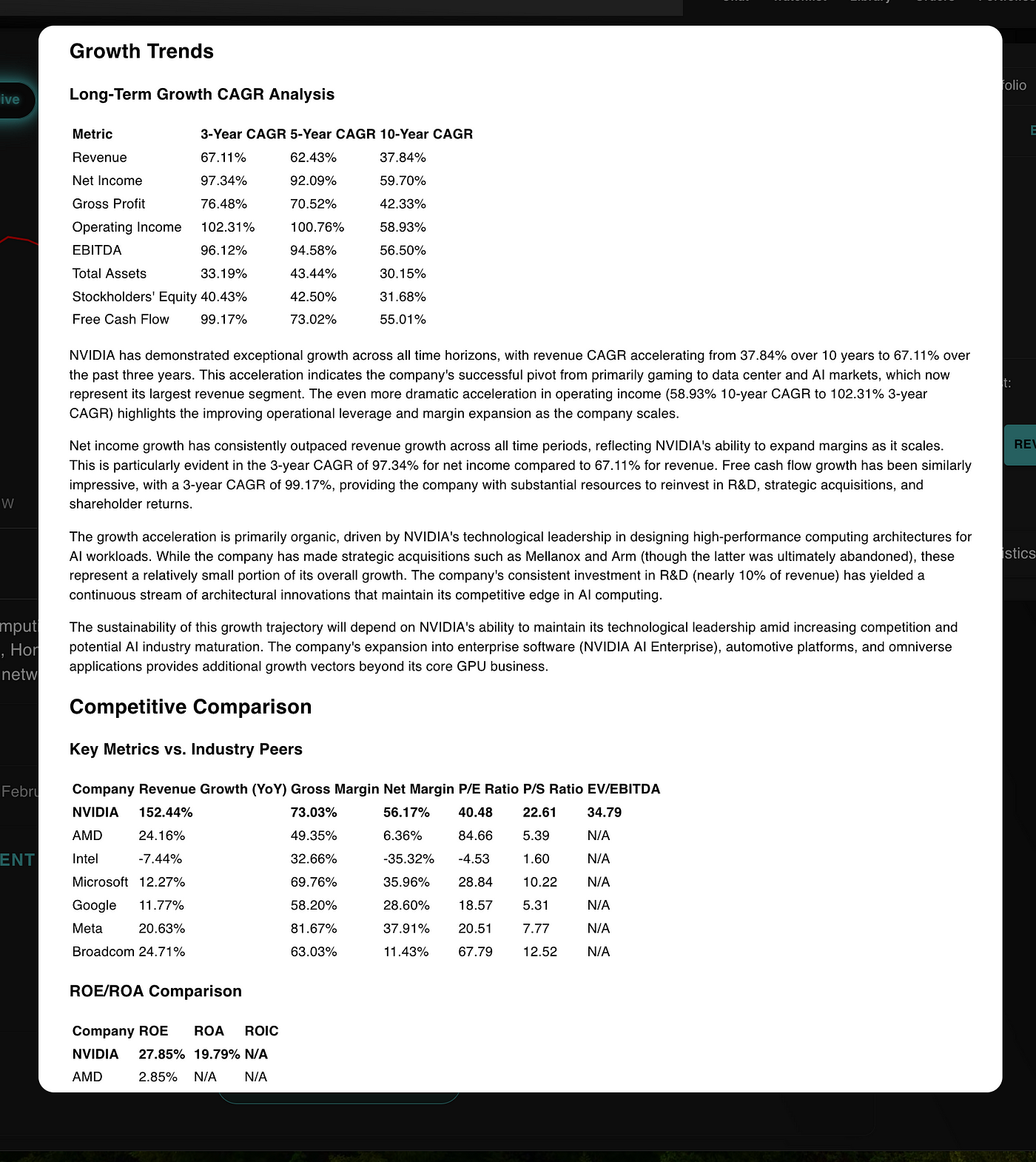
Most of the time, if we see a stock growing at 70% 3-year CAGR for their revenue, that stock is growing in tens of millions of dollars. NVIDIA is quite literally the only exception, growing in tens of billions of dollars.
But that’s just from personal experience looking at stock financials. If we look at the data, the data shares the same story.
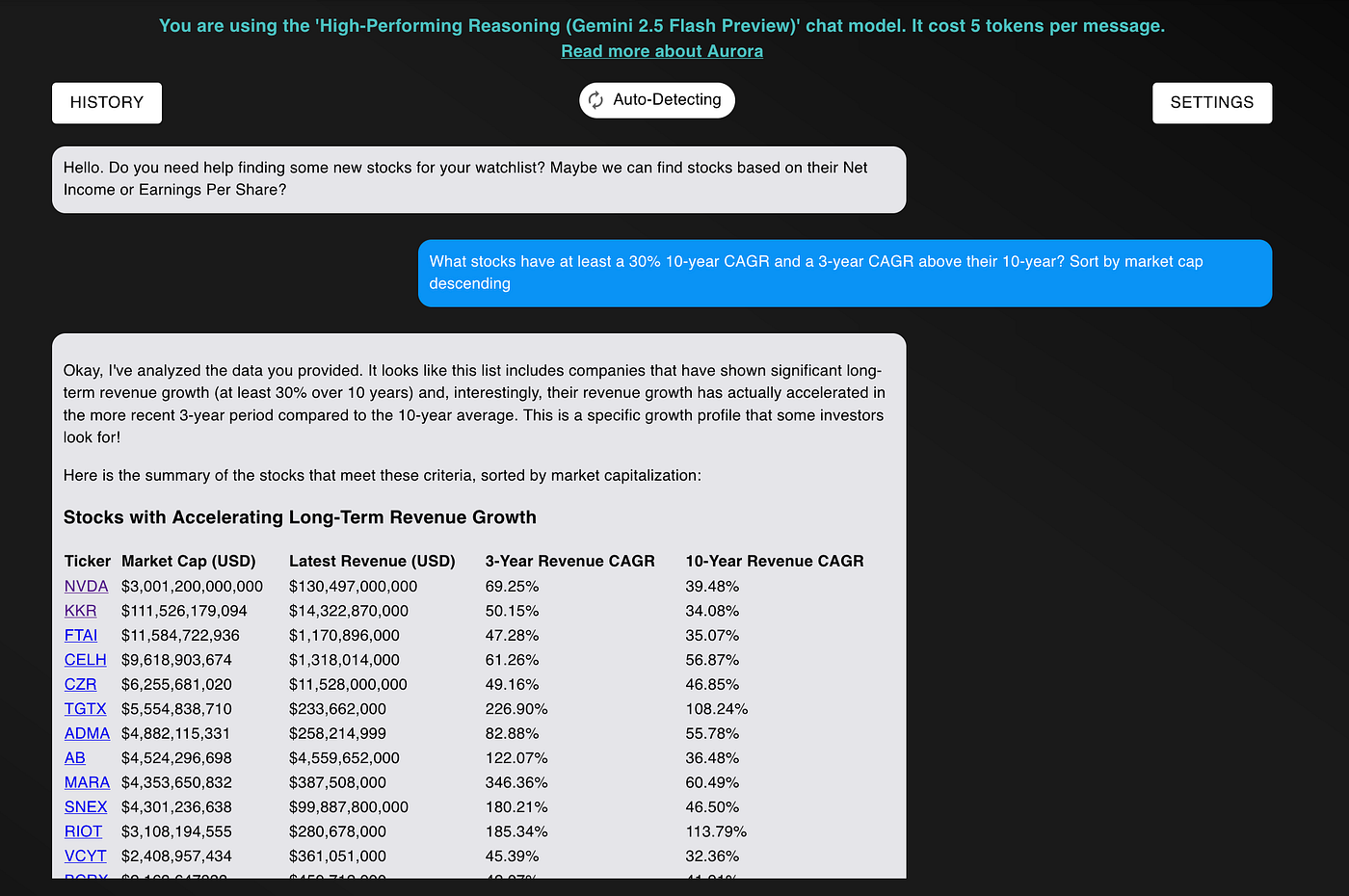
I used AI to query for stocks with a high 10-year CAGR and an even higher 3-year CAGR. This question is designed to look for fast growing stocks that may be accelerating in their growth. And of stocks with a market cap above $12 billion, NVIDIA is literally 1 of 2 stocks.
NVIDIA is:
- Growing at a 40% 10-year CAGR
- Growing at a 70% 3-year CAGR
- Has a revenue of $130 billion and a market cap at $3 trillion
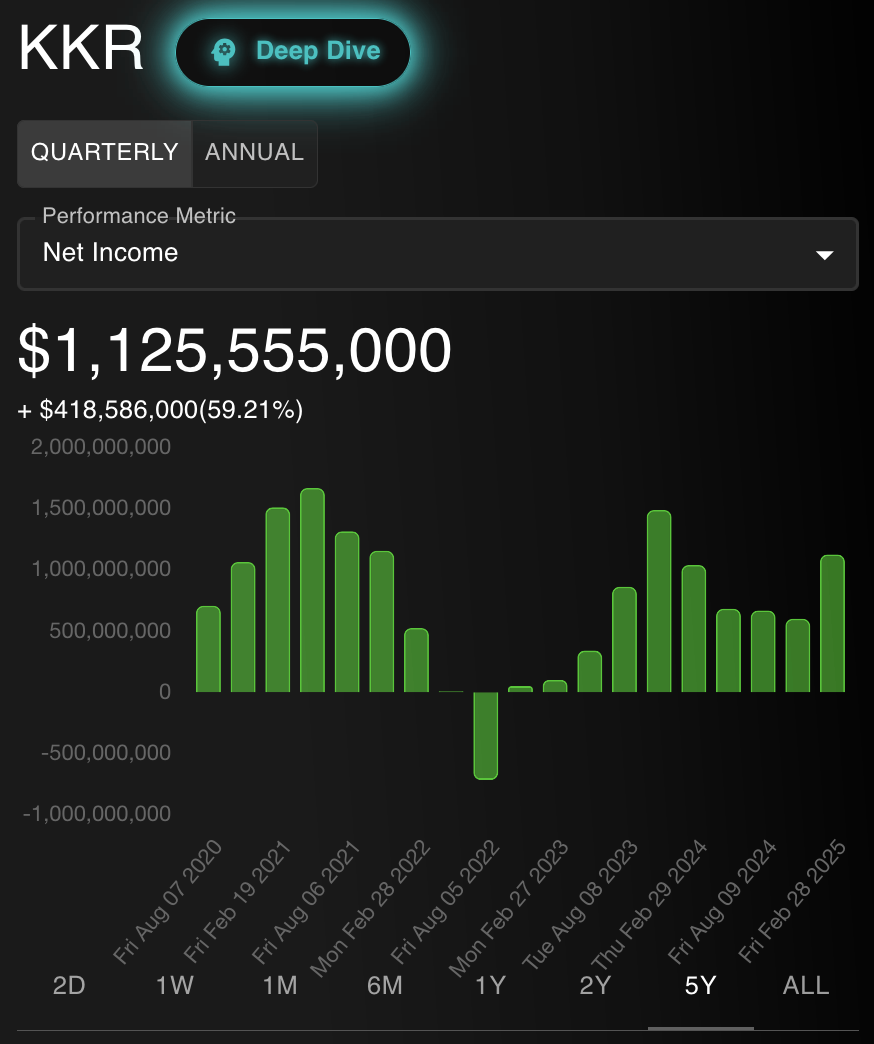
No other stock really comes close. KKR is growing at a slower rate (34% 10-year CAGR and 50% 3-year CAGR), but if we look closer at their fundamentals, we see a company that isn’t nearly as fundamentally strong.
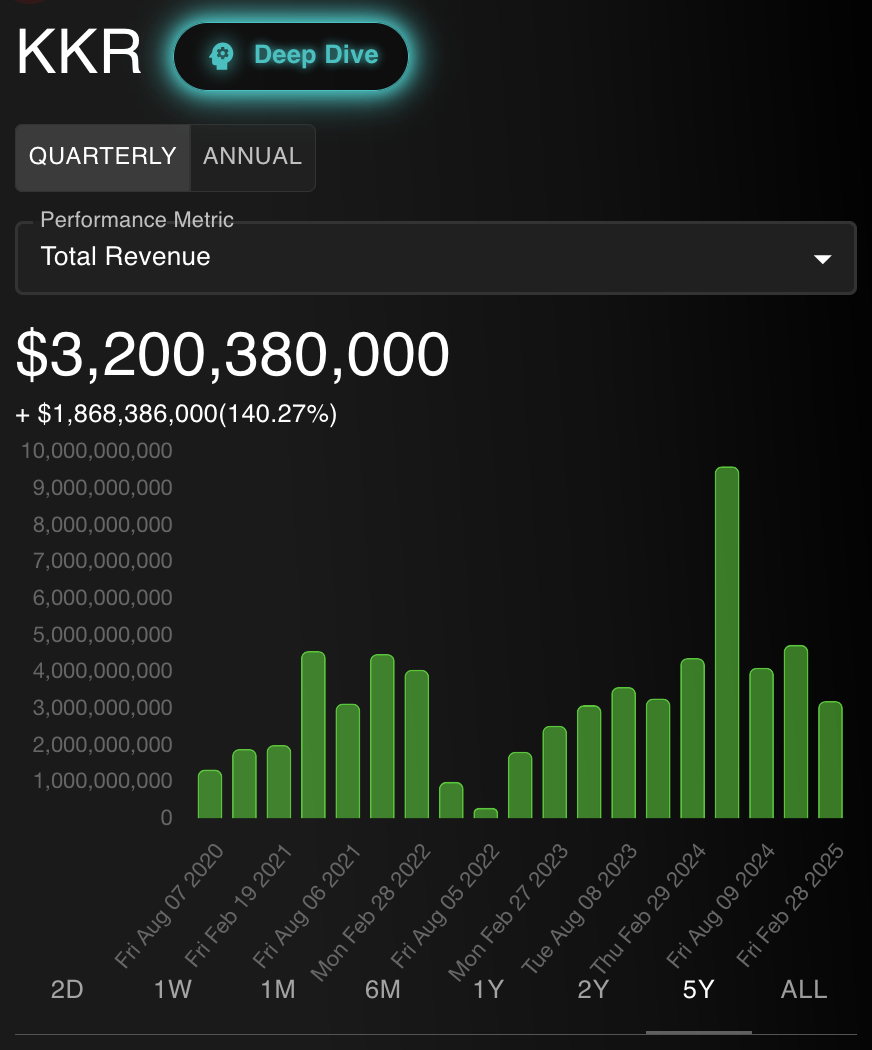
But it’s more than just its unbelievable growth fundamentals. At its core, NVIDIA is THE business powering the AI revolution.
Not “one of the businesses”. It is THE business.
NVIDIA sells supercomputers that are capable of training AI models. Without NVIDIA’s hardware and software ecosystem, ChatGPT and similar models would’ve never existed.
More than that, other future applications of AI, including advanced autonomous robotics, self-driving cars, and the ability to develop new medicines to cure diseases, will be powered by NVIDIA’s technology.
Let me re-emphasize this point: no other company comes close. Not AMD, Intel, nor Huawei. This is not my opinion – this is fact that ALL AI researchers know. It’s just the average person that doesn’t understand.
With this combination of amazing fundamentals and a moat securing its future growth, you might guess that some sort of earnings announcement is responsible for the massive rally we’ve seen recently.
You’d be wrong.
What changed in the market since April?
With NVIDIA, soaring from $95/share to $135/share (an increase of over 42%), you would imagine that NVIDIA released some crazy new technology or had a significant advancement, right?
Well, no. That didn’t happen.
Don’t get me wrong. There were lots of catalysts for NVIDIA stock. For example, the U.S. and China is agreeing on a 90-day tariff reduction, which is an overall bullish signal for stocks. Additionally, NVIDIA and AMD have agreed to supply chips to the Saudi Arabian AI startup Humain. This further drove positive sentiment in NVIDIA.
But fundamentally, nothing has really changed. NVIDIA has yet to report their earnings, which are scheduled for May 28th. That’s when the real test comes — when we see if the market’s enthusiasm will be validated by actual financial results.
The current rally appears to be driven more by market sentiment and positioning ahead of earnings rather than any material change in NVIDIA’s business fundamentals. This is exactly why I’ve been strategically selling some positions while maintaining my core holdings.
What’s Next For My NVIDIA Position?
Now that my account has reached all time highs and my buying power has surged to nearly $25,000 (more than my total portfolio value just a few weeks ago), my strategy is now extremely simple.
Hold.
As NVIDIA was having its rally, I’ve been selling off my positions. In total, I’ve sold nearly $10,000 in NVIDIA from April 22nd to May 12th.
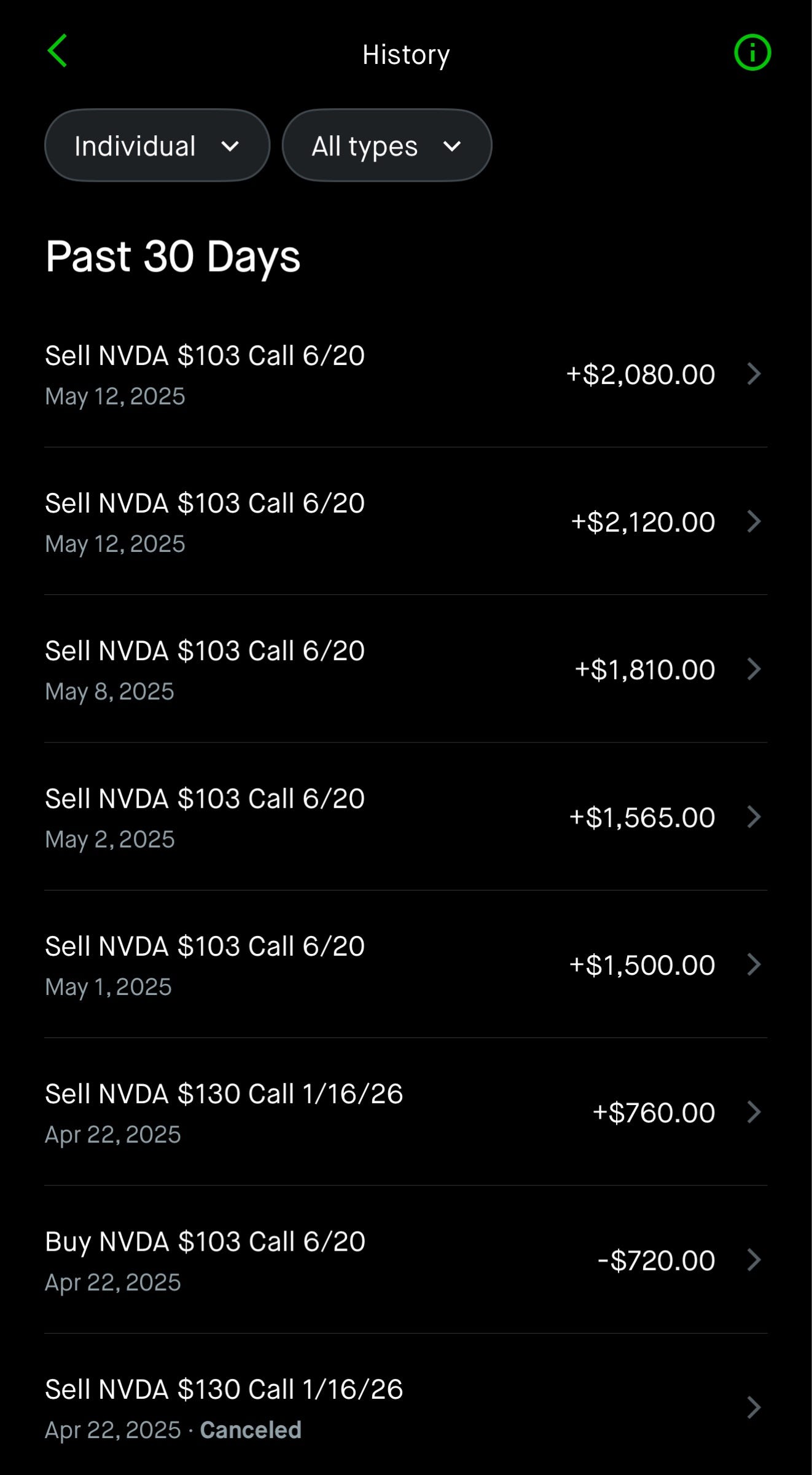
And I’ve sold more than enough. Now my goal is to hold and ride the rally to test my hypothesis from the very beginning. Is NVIDIA the best stock in the entire world with an unbelievable and unstoppable growth story? Or is “AI” hype – a fad like cryptocurrency with no material use cases.
The world will see soon enough.
Want to learn HOW I developed this NVIDIA trading strategy? Check out my original article!
Should you buy NVIDIA calls?
Seeing such returns, you might wonder if NVIDIA calls are for you. If you share a strong belief in AI’s future and see NVIDIA’s valuation as justified by its growth and market position, then considering an NVIDIA position could make sense.
However, let’s be very clear: call options are inherently risky. They offer leverage, which magnifies gains, but also losses. You can lose your entire investment (the premium paid) quickly. Time decay works against option buyers, and calls can expire worthless if the stock doesn’t move significantly in your favor before expiration.
Furthermore, NVIDIA options, especially around earnings, often have high Implied Volatility (IV). This makes them expensive, meaning a substantial price move is already “priced in.” If NVIDIA’s news is merely good, not spectacularly better than expected, or if the stock price doesn’t move enough, those calls can still lose value due to “IV crush,” even if the stock price itself rises.
If you’re a beginner or have a lower risk tolerance, buying NVIDIA stock directly is a much more straightforward approach. Alternatively, consider AI-focused ETFs (like FNGO, for example, which has a significant NVIDIA holding) to gain exposure with diversified risk. Finally, if you’re lacking cash and want to see how much you could theoretically gain, you can start by paper-trading NVIDIA on platforms like NexusTrade.
More experienced traders, comfortable with high-risk scenarios and options mechanics, might consider NVIDIA calls as part of a well-defined strategy. Even then, consider risk-limiting strategies like long-term debit spreads (to cap losses and reduce cost) or longer-dated calls (LEAPS) to give your thesis more time.
Ultimately, the choice is yours. This is not financial advice. Always conduct your own research and understand all risks before investing.
Final Thoughts
Whether this rally continues or pulls back post-earnings, one thing is clear: data-driven trading beats hype-driven guessing — every time. My NVIDIA calls didn’t succeed because I’m lucky. They succeeded because I did the research, built a strategy, and stuck to it.
If you want to trade like this — based on fundamentals, technicals, and AI — not TikTok trends or WallStreetBets hype…
It’s the only no-code platform built for serious traders who want Wall Street-grade tools without writing a single line of code. Screen, backtest, optimize, and deploy your own strategies — all powered by AI. And, connect with a community of traders who are doing the same.
The future of trading is here.
And it’s data-driven.
The choice is up to you.
No comments yet.