Large Language Models Eliminated the Barriers of Entry to Algorithmic Trading
This December 2023 article argues that natural-language interfaces reduce the coding work needed to research and configure paper strategies.

I consider myself to be a pretty smart guy. In high school, my GPA exceeded 4.0. I hold degrees from esteemed institutions such as Cornell and Carnegie Mellon, and I excelled in challenging subjects like organic chemistry, genetics, and calculus.
Yet, even for me, algorithmic trading was very hard. It demanded proficiency in software architecture, data science, and finance, all before one could even begin to craft their first algorithm. However, recently, the landscape has undergone a transformative shift, thanks to the emergence of Large Language Models (LLMs). Platforms like NexusTrade, Pluto, and Composor have effectively torn down the barriers to algorithmic trading, making it accessible to the average person.
This article will delve into this transformative journey, shedding light on the evolution of algorithmic trading into a realm that is now within reach for the everyday person.
Read: My ChatGPT-Generated Trading Strategies are DEMOLISHING the Market.The Unattainable Thresholds of Traditional Algorithmic Trading
Option 1: Self-Programming
Originally, the primary route to algorithmic trading was self-programming. This required proficiency in programming languages such as Python, along with libraries like Pandas, Numpy, and Matplotlib. Starting from scratch, one had to not only master these tools but also understand financial markets, strategy development using fundamental or technical data, and complex concepts like lookahead bias. Additionally, gaining access to and integrating API keys for backtesting and executing trades was a necessity.
Option 2: Using a Framework
The second option involved using pre-built frameworks. These frameworks, though somewhat more accessible than starting from scratch, still demanded significant coding skills. For example, Quantopian was a powerful framework, but it still required you to code in their proprietary Python-like language.
In both cases, you needed technical expertise. The average investor simply didn’t have the resources to learn algorithmic trading. Most investors simply didn’t care; they don’t understand why technology is useful when aiding in trading, even though the use of it is ubiquitous among institutional investors, prop shops, and hedge funds. There was a large gap between institutions and retail.
The Plain-English Research and Paper-Strategy Workflow
Large Language Models (LLMs) inadvertently changed the game for algorithmic trading. The requirement that you had to be a technical expert to start algorithmic trading is now gone. Platforms like NexusTrade use LLMs to translate plain English into actionable trading strategies, allow you to backtest those strategies, and perform financial research.
For example, let’s say you wanted to perform financial research. A savvy investor back in the day would go to the SEC website and pull up the 10-Q Filings for a company to see how they did in a quarter.
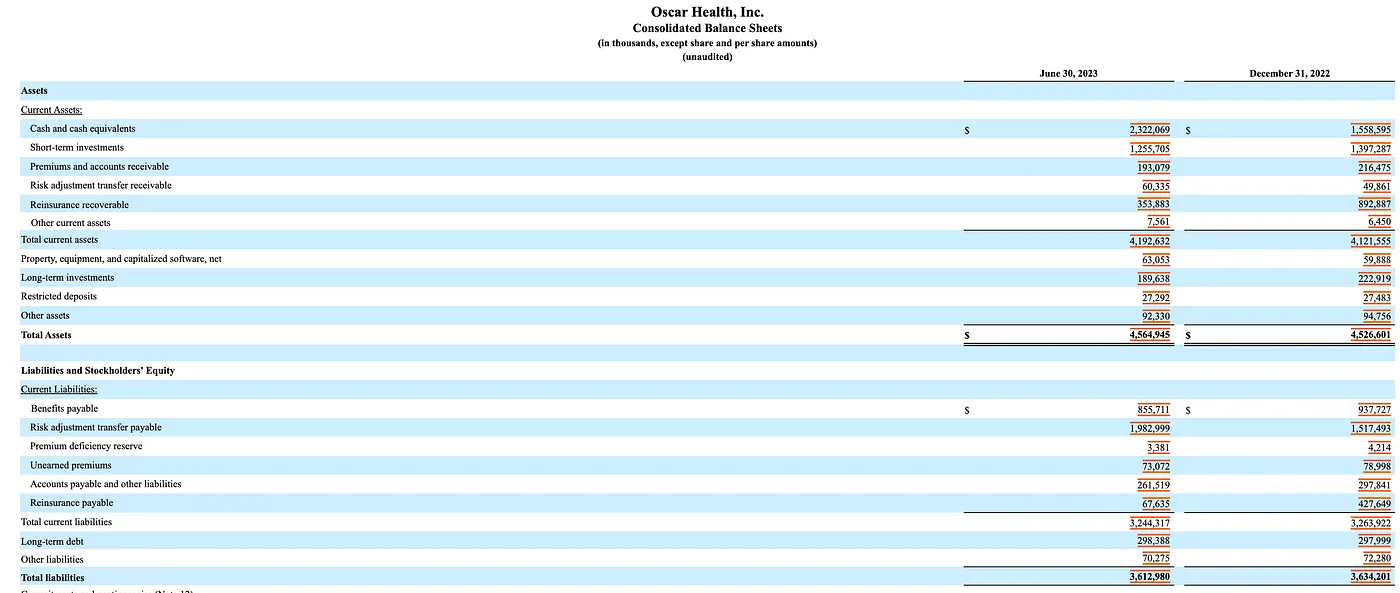
Now, a user who wants to perform financial analysis can simply ask an AI Agent to retrieve the relevant information and display it on an easy-to-read UI.
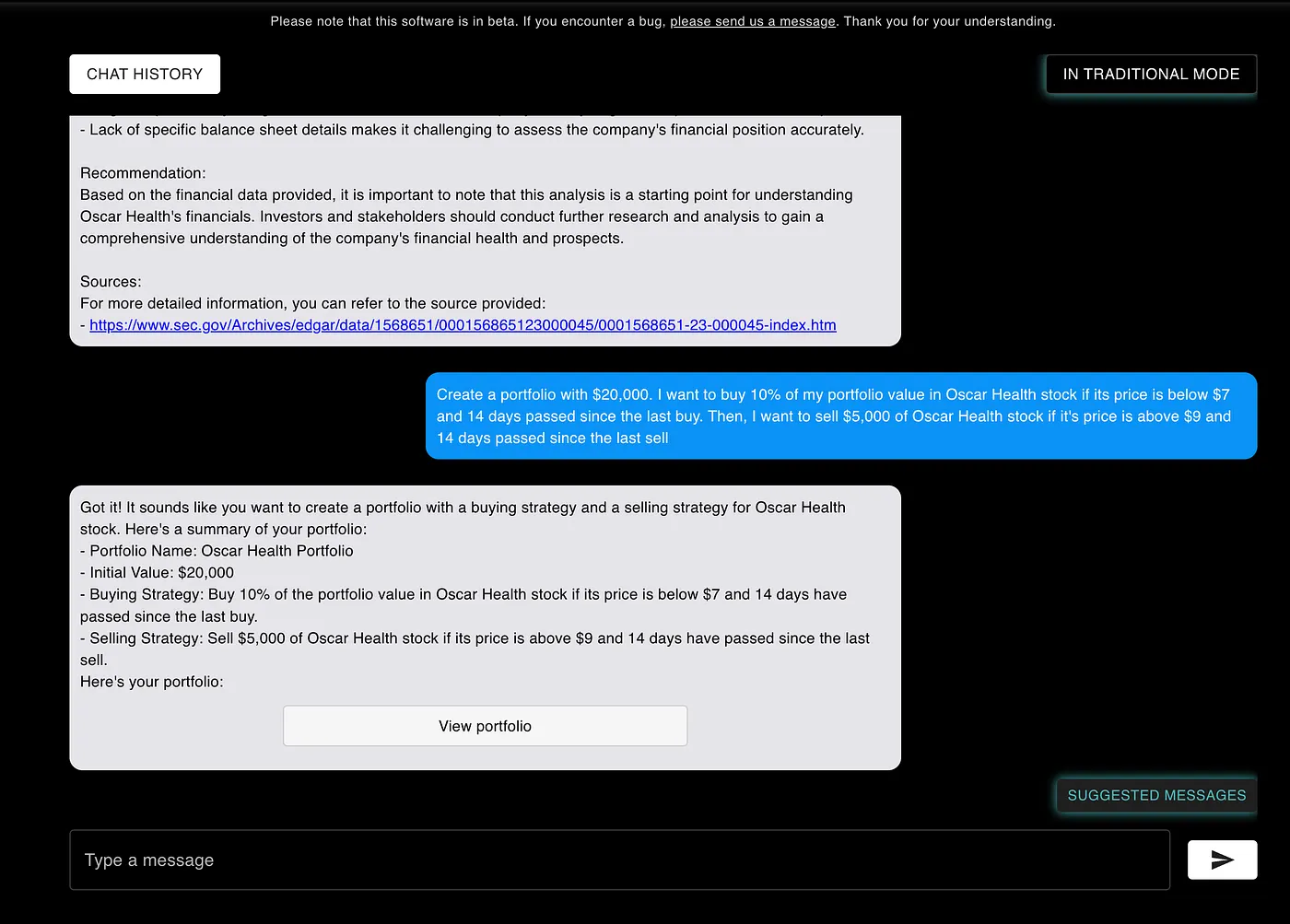
The displayed example starts with Oscar Health’s Q2 2023 filing. A precise research request would be: “Show Oscar Health’s revenue and net income for the quarter ending June 30, 2023, with the source filing.” Inspect the returned date and figures before turning a business thesis into a rule. This article does not transcribe the screenshot’s exact question, returned values or saved trading configuration.
In December 2023, the resulting strategy could be tested historically and run in a real-time paper portfolio. That is simulation, not a funded brokerage deployment. The later July 2024 launch introduced selected-user manual brokerage trading.
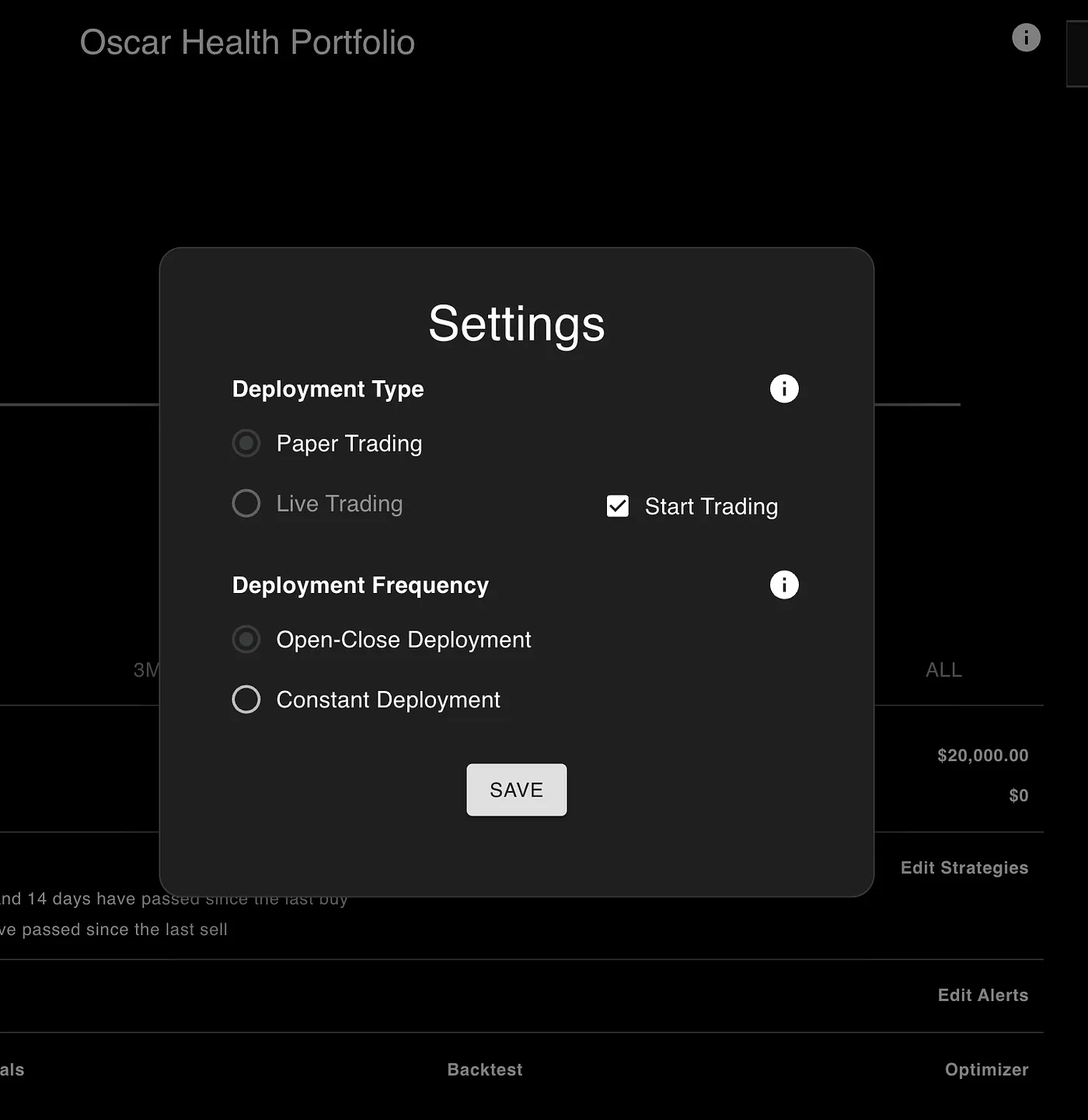
The reduced coding work is the benefit: describe an idea, inspect the generated rule, test it, then observe paper execution. For illustration, a rule might buy $100 of an asset only when its price is below its 30-day average, with an explicit exit rule still required. That is a hypothetical rule, not a transcription of the Oscar Health screenshot. The original configured condition, action and returned figures are needed to reproduce that example.
Conclusion
Large language models reduced the coding work needed to describe and inspect trading rules in the workflow shown here. Retail traders can use that interface to explore their own ideas and financial questions; what they do with it still depends on the rules and evidence they choose.
Read the original Medium article.
Subscribe to NexusGenAI Go to NexusTrade📚 Follow our thought pieces on Medium
🤝 Connect with me on LinkedIn
👨💻 Explore our projects on GitHub
📸 Catch us on Instagram
🎵 Dive into our TikTok
No comments yet.